
CATEGORY

Blog - Page 29 of 52 - Charity Lawyer Blog - Nonprofit Law Simplified

Nonprofit Tax

How to Use an Employee Assistance Fund to Aid Employees During COVID

As the economic hardships of the pandemic continue to mount, many are looking for ways to help employees weather the crisis. After 9/11, the Internal Revenue Code was amended to allow employers to make direct payments to employees for qualified disaster reliefÂť under Section 139. Likewise, employee assistance funds are also commonly used vehicles to provide disaster relief and/or emergency hardship financial support for people affiliated with a particular employer. Both vehicles serve not only to protect one of your business’s most important assets — your people — by getting them back to work, but they also serve to boost morale, build community, and reduce employee turnover in the long-run.

Read More »
make a difference by giving
Fundraising Regulation

Black Lives Matter; Make a Difference By Giving

AdHoc said it best: For everyone that is feeling outraged by the multiple lives that have been lost at the hands of the police, we’d encourage you to channel that anger into action.Âť For some, that action looks like self-education and awareness, or protesting, or speaking out amongst their friends and community. Another consideration may be giving to one of several organizations working diligently in the fight against systemic racism and violence. 

Read More »
diversify your nonprofit board
Governance

Diversify Your Nonprofit Board

While nonprofits may have a much different endgame in mind than their corporate counterparts, they can glean many benefits by incorporating a more diverse cadre of community members on their board rosters.  The fresh perspectives and experiences that new and different members bring to the table result in organizations that are more nimble, effective, and ultimately better equipped to carry out their mission.

Read More »
Due to each board member’s ability to influence the organization, board members are legally bound to certain ethical standards of conduct.
Governance

9 Tenets of Fiduciary Duty as a Board Member

Fiduciary duties, as codified in state law, board bylaws, and common practice, are quite simply a set of rules to ensure that boards are run effectively, lawfully, and with the best interests of their mission in mind.  Here, we’ll look beyond the legal jargon to distill the legal and ethical responsibilities of board members to oversee the management of and ensure accountability to your nonprofit organization. 

Read More »
Arizona Entity Restructuring Act for Nonprofits
Nonprofit Mergers, Acquisitions, and Affiliations

Is Your Nonprofit Considering a Strategic Restructuring?

We’ll spare you the pandemic intro; we know that nonprofits are acutely feeling the effects of the current financial crisis.  And uncertainty about COVID-19 virology and what a new normalÂť might look like is frustratingly confounding. But now is not the time for magical thinking,Âť according to a panel of experts recently convened by BoardSource.  We participated in their webcast to learn more about how nonprofits can best navigate the hard decisions ahead.

Read More »
difficult member
Governance

Strategies for Handling a Difficult Board Member

Think back to the last time you had to (or at least wanted to) confront your boss about micromanaging your work. Now imagine having ten bosses instead of one. You’ve just stepped into the shoes of your nonprofit’s executive director. While we might all like to cast aside the possibility of an overreaching board member in our organizations, even the most well run nonprofit boards will deal with difficult board members at some point. Boards are full of, well, humans, who have a unique set of personal experiences, emotions, and motivations that influence on their job as a director. Sometimes, that can lead to conflict that is uncomfortable, unproductive, and even contrary to the organization’s best interests. 

Read More »
delegate
Governance

The Pitfalls of Delegation (and how to avoid them)

Delegating activities to committees and other qualified individuals can be helpful for nonprofit boards that are short on the time or expertise needed to carry out certain functions. For example, nonprofit boards typically delegate the day to day management of the organization to officers such as the C.E.O./Executive Director. Boards also delegate specific tasks to committees who can devote more time to particular matters.

Read More »
CARES Act
News and Avoiding Scams

CARES Act Assistance Programs Available to Nonprofits

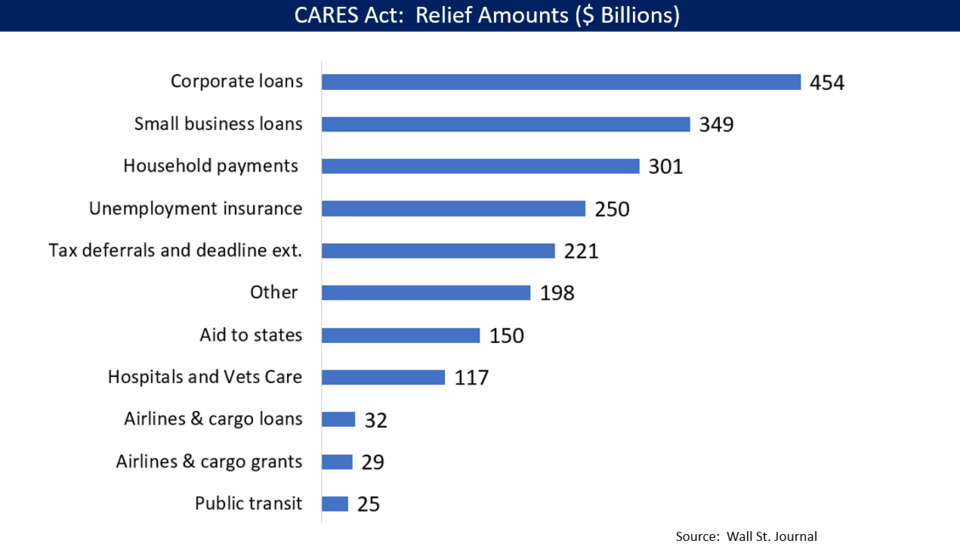
On March 27, 2020, the Coronavirus Aid, Relief, and Economic Security Act (CARES Act) became law. The CARES Act provides $349 billion in benefits for small businesses, including qualifying nonprofit organizations. Specifically, certain nonprofits are eligible for the Paycheck Protection Program and the expanded Economic Impact Disaster Loan program (EIDL). The CARES Act also provides payroll tax relief and expands the charitable deduction to all taxpayers for one year to incentivize charitable giving. 

Read More »
force majeure covid19
Contracts, Waivers, and Releases

What Your Non-Profit Needs to Know About Force Majeure

Force majeure has become the word du jourÂť; French for superior force,Âť it refers to a principle of contract law in which parties to a contract can limit their liability and performance obligations. In the simplest terms, it allows parties to suspend or discontinue the performance of contractual obligations in cases of emergent circumstances beyond the parties’ control. It may also operate to limit contractual liability. But its practical application is nuanced. Here’s what you need to know:

Read More »
Scroll to Top
FREE DOWNLOAD

How to Start a Non-Profit Organization

Download our free guide to learn about the many elements needed to run a successful nonprofit organization, as well as how to avoid common pitfalls and mistakes.